Who Answers for a Gambling Ad? Greece’s Case Against 18 Influencers
Greek complaints against 18 influencers over alleged unlicensed gambling promotion: the case status, the fine framework and how Dutch rules compare.
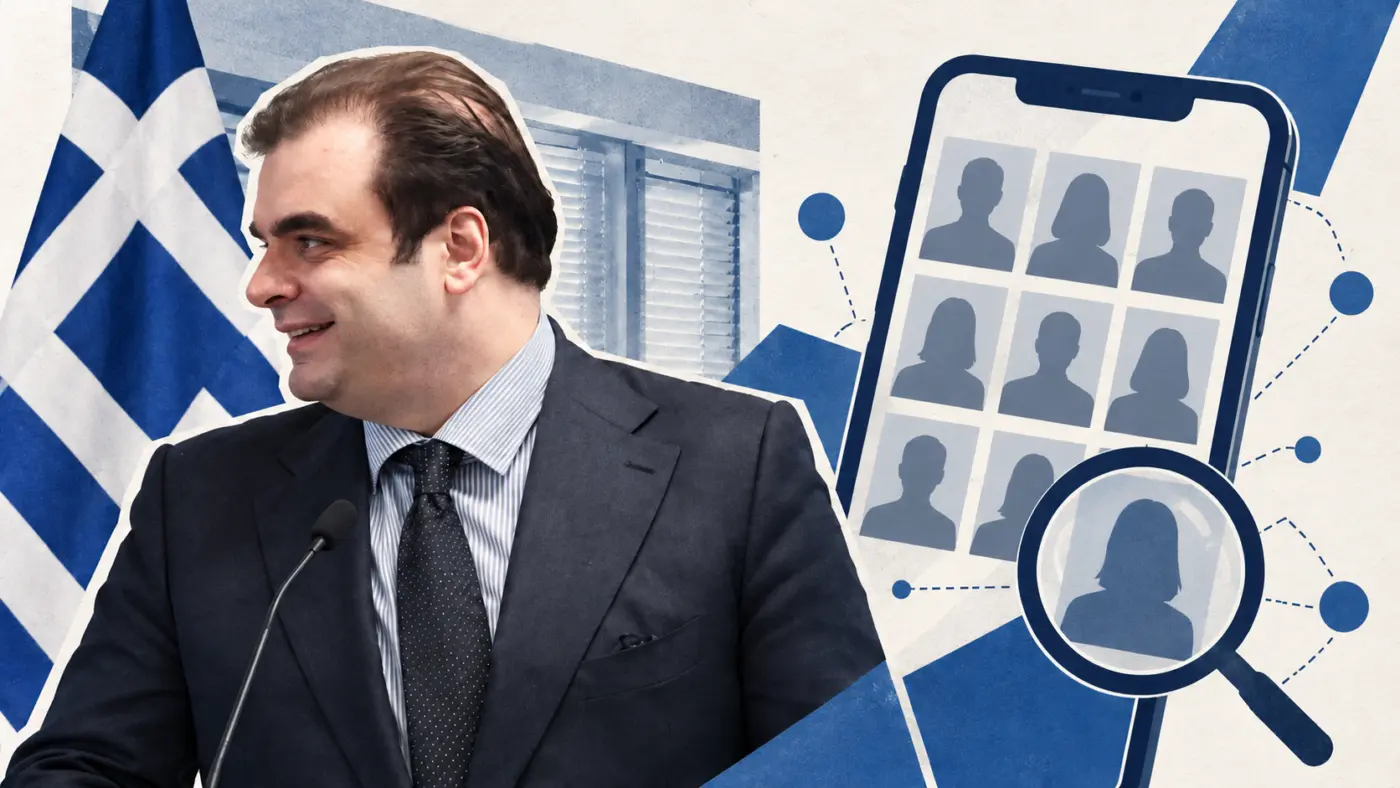
Greek Finance Minister Kyriakos Pierrakakis said on October 6, 2026, that criminal complaints against 18 gambling influencers in Greece were under preliminary investigation. The Hellenic Gaming Commission (HGC) filed the complaints over alleged promotion of unlicensed gambling, putting the creators’ own promotional activity under scrutiny.
KEY FACTS AT A GLANCE
- Case status: Pierrakakis said the HGC’s complaints against 18 influencers were under preliminary investigation.
- Administrative fine framework: €5,000–€50,000 per established violation under the June legislation.
- Chronology: Complaints involving 18 influencers had already been reported in June.
- Marketing rules: Operator authorization and the rules applying to the promoter require separate checks.
What the Greek complaints cover
The minister’s account establishes the regulator’s action and the investigation’s status. It does not establish that the creators committed an offense.
Naftemporiki’s October 7 report gives the regulator-origin breakdown: 18 influencers with about 3.6 million combined followers, linked to promotion of 11 unlicensed websites and eight unlicensed operators. Those last two figures describe different categories.
Followers may overlap across accounts, so the combined total does not establish the number of unique viewers or players acquired.
Insider reported HGC action involving 18 influencers and about 3.6 million combined followers on June 26. The reviewed reports do not provide a roster or case identifiers confirming whether the June and October accounts concern the same individuals.
Complaints, not convictions. The minister described a preliminary investigation.
Followers may overlap. This is not a count of unique viewers or acquired players.
Website count in the reported case breakdown.
Websites and operators are separate categories.
“Popularity does not offer immunity, and influence entails responsibility.”
— Kyriakos Pierrakakis, October 6; translated from Greek
What the €50,000 fine ceiling means
Article 51(7a) of Law 4002/2011, added by Article 66 of Law 5313/2026 and published in the Official Gazette on June 25, provides for administrative fines from €5,000 to €50,000 per established violation involving prohibited gambling advertising or promotion.
The reviewed sources do not establish whether this provision applies to the particular conduct alleged in these complaints. The administrative fine framework is separate from the criminal complaints: the ceiling is not an automatic €50,000 bill for each influencer, and a criminal investigation does not itself establish an administrative fine. The reviewed sources did not provide a fine decision against the reported group.
Gambling affiliate rules reach beyond the operator
A creator considering a gambling promotion needs to establish whether the operator is authorized for the intended market. A familiar brand or a license issued elsewhere does not settle that question. Our guide to checking an online casino’s license explains how to approach that verification.
The HGC requires affiliates working with licensed online gambling operators to obtain a suitability license and join its affiliate register. An operator’s authorization and an affiliate’s status are separate requirements; checking one does not answer the other.
The reviewed sources do not establish whether any of the 18 creators acted as affiliates or what arrangements they had. For campaign planning, the verified starting points are the operator’s Greek authorization, any applicable affiliate approval and the national rules governing the proposed advertising.
Why the Netherlands comparison matters
The Dutch regulator, Kansspelautoriteit, clarified on February 24 that influencers and streamers fall within its prohibition on using role models in online gambling advertising. That restriction also covers advertising for licensed operators. A campaign can therefore raise a creator-related problem even when the gambling business holds a local license.
Greece
- Promoting unlicensed gambling
- The reported complaints concern influencers allegedly promoting unlicensed gambling.
- Creator and affiliate requirements
- Affiliates working with licensed online operators need an HGC suitability license and entry in its affiliate register.
- Practical implication
- Check operator authorization, applicable affiliate status and Greek advertising rules before a campaign.
The Netherlands
- Promoting unlicensed gambling
- Ksa has pursued influencer promotion of illegal gambling, including its LeftlanePapi enforcement case.
- Creator and affiliate requirements
- Influencers and streamers fall under the role-model ban on online gambling advertising.
- Practical implication
- An operator’s license does not override the Dutch restriction on using these role models.
The European Commission’s gambling case-law guidance explains that an authorization in one member state does not have to be recognized by another. There is no single EU gambling marketing permission that resolves these national differences. Dyutam’s country-by-country coverage of Polymarket in Europe illustrates the wider need to check individual jurisdictions.
The Greek and Dutch examples illustrate distinct checks, rather than a uniform European influencer ban. Greece’s reported case concerns alleged promotion of unlicensed gambling; Dutch rules also restrict who can advertise licensed online gambling. For another national advertising-policy example, see our coverage of France’s gambling advertising spending limits.
What the evidence does not yet establish
The case figures come from the regulator’s account as reported in news coverage. The reviewed sources do not establish payment arrangements, players acquired or a finding against any individual.
Pierrakakis cited about 15,000 websites on the blacklist in 2025. The HGC’s October 7 release described an AI platform for detecting and documenting illegal activity; the reviewed material provided no measure of its effectiveness.
The Greek complaints place creators’ own promotional conduct under investigation. For campaigns, the checks begin with the operator’s authorization, any applicable affiliate approval and each market’s advertising rules.
FAQs
What happened to the 18 influencers in Greece?
The finance minister said the HGC had filed criminal complaints over alleged promotion of unlicensed gambling. He described the cases as being under preliminary investigation.
Have the influencers each been fined €50,000?
No such decision was verified in the reviewed sources. Greek law provides an administrative fine range of €5,000–€50,000 per established violation; the maximum is not automatic.
Does 3.6 million followers mean 3.6 million people saw the ads?
No. Naftemporiki reported approximately 3.6 million combined followers. Followers may overlap across accounts, and that figure does not measure views of a particular promotion.
Did the case involve 19 gambling websites?
Naftemporiki reported 11 unlicensed websites and eight unlicensed operators. Those are separate categories, not a combined total of 19 websites.
Can a creator promote a licensed gambling operator in Greece?
An operator’s license alone does not establish that a particular promotion is permitted. Applicable advertising rules must be checked. Affiliates working with licensed online gambling operators need an HGC suitability license and entry in its affiliate register.
Does a license from another EU country authorize promotion in Greece?
It does not automatically provide Greek authorization. The European Commission explains that member states do not have to recognize another member state’s gambling authorization.
KEY TAKEAWAYS
- Complaints remain allegations — the minister described a preliminary investigation involving 18 influencers.
- The fine ceiling is conditional — Greek law allows €5,000–€50,000 per established violation; no decision imposing those fines on this group was verified.
- National rules matter — operator licensing, affiliate approval and restrictions on creators need separate attention.
Sources
- Pierrakakis’s October 6 speech to the gaming regulator — Greek Finance Ministry.
- Law 5313/2026, Article 66, Official Gazette A’ 102, June 25 — Greek National Printing Office.
- Case figures reported on October 7 — Naftemporiki.
- June 26 coverage of the HGC action involving 18 influencers — Insider.
- Online affiliate suitability licensing and registration — Hellenic Gaming Commission.
- February 24 clarification of influencer and streamer advertising restrictions — Kansspelautoriteit.
- LeftlanePapi enforcement record — Kansspelautoriteit.
- Gambling case law and national authorization requirements — European Commission.
- October 7 ministerial meeting release and reference photograph — Hellenic Gaming Commission.

Aevan Lark
Aevan Lark is a gambling industry veteran with over 7 years of experience working behind the scenes at leading crypto casinos — from VIP management to risk analysis and customer operations. His insider perspective spans online gambling, sports betting, provably fair gaming, and prediction markets. On Dyutam, Aevan creates in-depth guides, builds verification tools, and delivers honest, data-driven reviews to help players understand the odds, verify fairness, and gamble responsibly.
Related coverage
Ohio Sends Cease-and-Desist Letters to 10 Prediction Market Firms
Ohio demands an immediate stop to sports contracts from ten prediction market firms, with written compliance confirmation due October 16.
UK Remote Gaming Duty Receipts Rise 108% in July
HMRC collected £589.7 million in July. Payment timing and the original forecasts explain what the increase proves.
Dominican Republic Gambling Law Sets One-Year Licence Transition
Law 86-26 sets a one-year license transition and earlier platform deadline, with online market-entry questions unresolved.