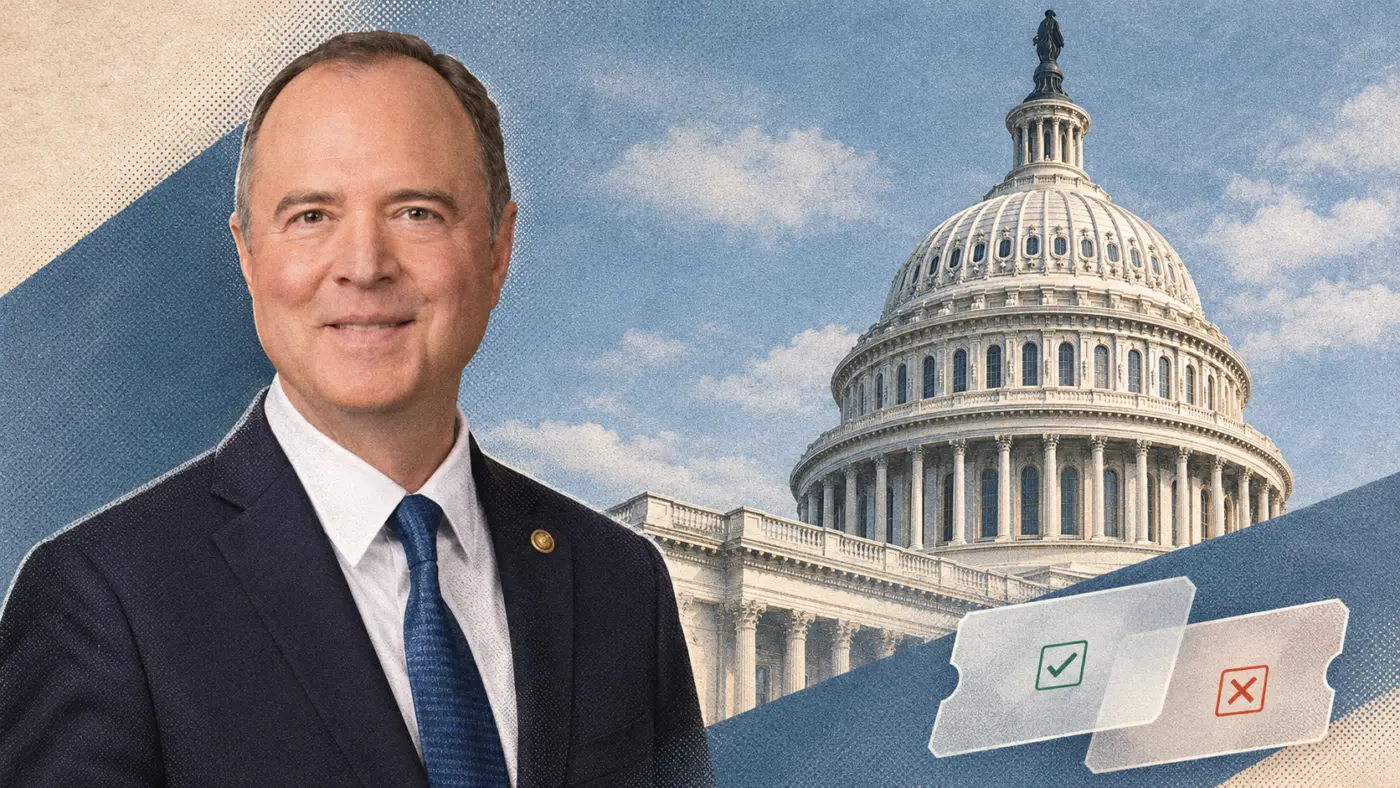
DEATH BETS Act passes Senate: Which bets face a ban?
The Senate bill would bar certain war and death contracts on U.S. prediction markets. The House has yet to act.

The U.S. Senate passed the DEATH BETS Act by voice vote on November 19, 2026. The bill would bar federally registered prediction markets from offering certain contracts on war, terrorism, assassination, U.S. military operations and an individual’s death.
KEY FACTS AT A GLANCE
- Senate vote: S. 4035 passed by voice vote on November 19. The House received it November 20.
- Exchanges in scope: The bill applies to entities registered with the Commodity Futures Trading Commission (CFTC), including Kalshi and Polymarket US.
- Sports and elections: Ordinary game and election outcomes fall outside this bill’s ban.
- House deadline: The current Congress ends at noon Eastern on January 3, 2027.
Which prediction-market bets would be banned?
An event contract pays out based on what happens in the real world. The Senate bill would stop registered exchanges from listing covered contracts. It would also bar registered entities from accepting them for clearing, the process that helps ensure trades settle.
The bill sets two tests. The first covers contracts that expressly reference terrorism, assassination, war or an operation by the U.S. armed forces. It also covers similar activities if the CFTC identifies them through a rule or regulation under the act.
The second test looks at what will settle the contract. At the time of listing, if the exchange can reasonably expect a person’s death to be the main factor that settles it, the ban would apply. So an exchange would have to look beyond the market title and read the settlement terms.
The bill would ban
- Express references
- Terrorism, assassination, war, U.S. military operations, or similar activity the CFTC defines by rule under the bill.
- An individual’s death
- At listing, the exchange would reasonably expect a person’s death to be the main factor that settles the contract.
Outside this bill’s ban
Ordinary contracts on who wins a game or an election.
Existing laws and court rulings still apply.
The CFTC already has a rule that covers contracts tied to war, terrorism and assassination. In June, the agency described how it applies that rule through public-interest reviews. The Senate bill would put an express ban in federal law and spell out the tests for U.S. military operations and death.
What happens to sports and election markets?
Ordinary sports contracts, such as who wins an NFL game, fall outside this ban. The Senate amendment preserves the legal status of activities outside the new prohibition. On the Senate floor, bill sponsor Adam Schiff said the text leaves court fights over sports contracts and state gambling laws alone.
Regular election contracts also fall outside the new ban. A contract on who wins a Senate race typically settles on the election result. A contract about the same candidate could still trigger the death provision if the terms make that person’s death the main settlement factor.
Which version of Polymarket would it cover?
The CFTC lists KalshiEX and QCX LLC, which operates as Polymarket US, as federally registered exchanges. Both would have to follow the new listing and clearing restrictions if the bill becomes law. The exchange behind the contract determines whether this provision applies.
Polymarket’s international platform operates separately and bars U.S. users from trading there. The Senate bill applies to registered entities, so it would have no direct effect on listings on the offshore exchange. Other federal rules can still apply. In 2022, the CFTC settled charges against a Polymarket operator over its unregistered U.S. offering.
Why the Iran strike bets matter
Blockchain data firm Bitquery calculated that five Polymarket accounts made $1.28 million on a contract about whether the U.S. would strike Iran by February 28. The last purchase by those accounts came hours before the strikes began. The public record shows when the trades happened. It leaves open what the traders knew.
That timing helps explain the focus on military operations. Advance knowledge can make a low-priced contract valuable to someone before the wider market catches up. The Senate bill targets the listing itself, so a ban on a covered strike contract would apply even without proof that any trader used inside information.
Can the House act before January 3?
The House clerk recorded receipt of S. 4035 on November 20. Sports Betting Dime reported that this was the first time either chamber passed a bill barring specific types of prediction-market contracts. Rep. Mike Levin’s companion bill, H.R. 7942, went to a House Agriculture subcommittee in April. As of November 21, House leaders had announced no floor vote on either measure.
The bipartisan voice vote and the bill’s narrow scope give it a path to quick House action if leaders make time for it. However, the House calendar has its last scheduled voting week starting December 14. Passage this year is possible, with floor time still the immediate hurdle.
The fastest route is for the House to pass the Senate text and send it to the president. If the House changes the bill, the two chambers must agree on the final wording. If Congress leaves the bill unfinished when this term ends at noon Eastern on January 3, 2027, lawmakers would have to start again in the next Congress.
FAQs
Is the DEATH BETS Act law yet?
The Senate passed S. 4035 on November 19, 2026. The House still has to agree to the text before the bill can go to the president.
Would the bill ban sports or election contracts?
Ordinary contracts on sports results or election winners fall outside the bill’s ban. The legality of sports contracts under existing laws remains subject to separate court cases.
Would the DEATH BETS Act apply to offshore Polymarket?
The listing ban would apply to Polymarket US, the CFTC-registered exchange. Polymarket’s separate offshore platform falls outside this listing provision and restricts U.S. users from trading.
KEY TAKEAWAYS
- The bill targets listings and clearing — Registered entities would face a ban on covered war, terrorism, assassination, U.S. military and death contracts.
- Sports and elections remain outside the ban — Ordinary game and election outcomes stay under existing rules.
- The House has the next move — It has received the Senate bill, with no floor vote announced as of November 21.
Sources
- S. 4035 as passed by the Senate — U.S. Government Publishing Office
- Senate floor debate on the DEATH BETS Act — Congressional Record
- Senate passage and voice vote record — U.S. Government Publishing Office
- House floor proceedings, November 20 — Clerk of the U.S. House
- H.R. 7942 actions and subcommittee referral — U.S. Government Publishing Office
- 2026 House voting calendar — Office of the House Majority Leader
- What happens to unfinished legislation at the end of a Congress — Congressional Research Service
- Twentieth Amendment to the U.S. Constitution — Library of Congress
- Prediction markets and public-interest reviews, proposed rule — Commodity Futures Trading Commission
- Register of trading organizations — Commodity Futures Trading Commission
- U.S. and international platform disclosures — Polymarket
- 2022 order against a Polymarket operator — Commodity Futures Trading Commission
- Transaction analysis of the February 28 Iran strike market — Bitquery
- Senate passage as a legislative first — Sports Betting Dime

Aevan Lark
Aevan Lark is a gambling industry veteran with over 7 years of experience working behind the scenes at leading crypto casinos — from VIP management to risk analysis and customer operations. His insider perspective spans online gambling, sports betting, provably fair gaming, and prediction markets. On Dyutam, Aevan creates in-depth guides, builds verification tools, and delivers honest, data-driven reviews to help players understand the odds, verify fairness, and gamble responsibly.
Related coverage

Unibet says betting resumed after cyberattack. What should players check?
Unibet says betting resumed. Its update left questions about player data, balances and pending withdrawals unanswered.
Australia’s Offshore Casino Payment Blocks: Can I Deposit?
How the 1 January 2027 rules affect cards, PayID, wallets, crypto and money an offshore casino already owes you.

Evolution vs Black Cube: The ‘illegal markets’ case
Evolution settled with the law firm that sent the 2021 report to regulators. Black Cube’s dismissal request remains pending.